
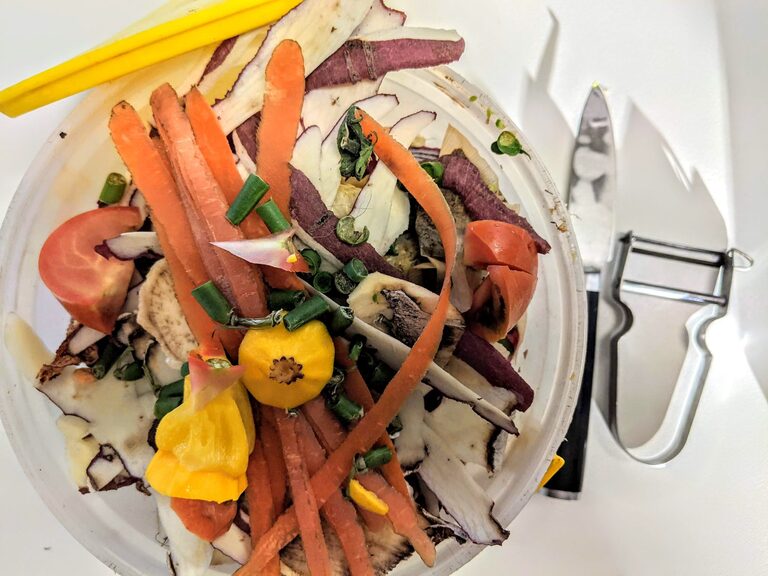
Reducing food waste at home is a simple yet impactful way to save money, conserve resources, and help the environment. Each year, a significant portion of food goes uneaten and ends up in landfills, contributing to greenhouse gas emissions. Fortunately, with some thoughtful habits and planning, you can cut down on wasted food and enjoy fresher meals. Here are some practical strategies to get started.
Why Reducing Food Waste Matters
Food waste not only wastes your money but also uses up resources like water, energy, and labor. When food is thrown away, all the resources used in producing, transporting, and packaging it are lost too. By reducing waste at home, you help conserve natural resources and reduce your carbon footprint.
Plan Your Meals and Shopping
Create a Weekly Meal Plan
One of the most effective ways to reduce food waste is to plan your meals for the week. Decide what you will cook each day and make a shopping list based on those meals. This reduces impulse buys and helps you only buy what you need.
Shop with a List
Bring your meal plan and shopping list to the store and stick to it. Avoid buying items just because they are on sale, especially if you’re not sure you will use them before they spoil.
Check Your Pantry and Fridge First
Before shopping, look through your pantry, fridge, and freezer to see what you already have. Use those items in your meal plan so they don’t expire unused.
Store Food Properly
Understand Storage Guidelines
Different foods last longer when stored correctly. For example, some fruits and vegetables stay fresh longer in the fridge, while others do better at room temperature. Knowing how to store produce helps extend its life.
Use Clear Containers and Labels
Keep leftovers and opened packages in transparent containers. Label them with dates so you know when they were prepared or opened. This helps you use items before they go bad.
Organize Your Fridge
Place older items in front and newer ones in back. This “first in, first out” approach encourages you to use older foods first and prevents forgetting about them.
Use Leftovers Creatively
Repurpose Leftovers
Instead of discarding leftovers, turn them into new meals. For example, roast vegetables can be added to soups or pasta, and cooked meats can become sandwiches or salads.
Freeze Extra Portions
If you cook in large batches, freeze individual portions for later. This prevents food from spoiling before you can eat it and saves time on busy days.
Make Broths and Stock
Vegetable scraps, bones, and meat trimmings can be boiled to make homemade broth or stock. Freeze these for use in future cooking.
Practice Smart Portion Control
Serve Smaller Portions
Start with smaller servings to avoid plate waste. You can always go back for seconds if you’re still hungry, which helps reduce uneaten food.
Use Smaller Plates and Bowls
Studies show that smaller dishes can help control portion sizes visually, reducing the temptation to over-serve.
Compost Food Scraps
Even with all your efforts, some food scraps are inevitable. Composting vegetable peels, coffee grounds, and eggshells turns waste into valuable nutrient-rich soil that can be used in gardens or plants.
Start a Home Compost Bin
If you have outdoor space, consider starting a compost pile or bin. Many communities also offer food scrap collection programs if composting at home isn’t possible.
Keep Track and Learn
Monitor Your Food Waste
Keep a small notebook or use a smartphone app to track what types of food you toss most often. This can help you identify patterns and adjust your shopping and cooking habits accordingly.
Adjust Your Habits Over Time
As you become more aware of your food waste patterns, try new strategies like buying smaller quantities, experimenting with meal ideas, and improving storage techniques.
Additional Tips to Reduce Food Waste
– Buy “Ugly” Produce: Fruits and vegetables with cosmetic blemishes are often discarded but are just as nutritious.
– Use Your Freezer Wisely: Freeze bread, fruits, and dairy products that might spoil soon.
– Understand Expiration Dates: “Best by” and “sell by” dates are often about quality, not safety. Use your senses to judge if food is still good.
– Donate Extra Food: If you have non-perishable items you won’t use, consider donating them to local food banks.
Conclusion
Reducing food waste at home is easier than it might seem and can make a big difference economically and environmentally. By planning meals, shopping thoughtfully, storing food correctly, using leftovers creatively, and composting scraps, you help preserve valuable resources and reduce your household’s environmental impact. Start with small changes and build habits that make sustainability a natural part of your daily life. Every bit helps!