
Composting at home is a fantastic way to reduce waste, enrich your garden soil, and contribute to a healthier environment. If you’re new to composting, the process might seem complex at first, but with a few simple tips, you can start creating your own compost pile or bin with ease. This guide will walk you through everything you need to know to turn everyday organic waste into valuable compost.
What Is Composting?
Composting is the natural process of recycling organic materials, such as food scraps and yard waste, into a rich soil amendment called compost. This process happens when microorganisms like bacteria and fungi break down the organic matter, creating nutrient-rich soil that helps plants grow better.
Why Compost at Home?
– Reduces household waste: Composting diverts a significant amount of kitchen and garden waste from the landfill.
– Improves soil health: Compost adds essential nutrients to your garden soil and improves its texture.
– Saves money: Using homemade compost reduces the need for commercial fertilizers.
– Supports the environment: Composting lowers greenhouse gas emissions associated with organic waste in landfills.
Getting Started: What You’ll Need
Before you begin, gather a few basic items:
– A compost bin or a designated spot in your yard
– Kitchen scraps (fruit and vegetable peels, coffee grounds, eggshells)
– Yard waste (grass clippings, leaves, small branches)
– Water
– A pitchfork or shovel for turning the pile
Choosing the Right Composting Method
There are several ways to compost at home, depending on your space and preferences:
1. Compost Bin
A compost bin is a container—either purchased or homemade—that holds your compost materials in one spot. It helps contain the compost and keeps pests away.
2. Compost Pile
If you have a larger yard, an open compost pile can be made directly on the soil. This method allows for easy turning and aeration.
3. Tumbler
A compost tumbler is a sealed container that can be rotated to mix materials quickly. It’s a tidy and fast way to compost but may require a small investment.
What to Compost: The Basics of Balance
Successful composting depends on maintaining the right balance between green and brown materials:
Green Materials (Nitrogen-rich)
– Fruit and vegetable scraps
– Coffee grounds and tea bags
– Grass clippings
– Fresh garden waste
Brown Materials (Carbon-rich)
– Dry leaves
– Straw or hay
– Shredded newspaper or cardboard
– Small twigs and branches
Tip: Aim for a ratio of about 2-3 parts brown materials to 1 part green materials. This balance helps speed up decomposition and prevents odors.
What Not to Compost
Avoid adding these materials to your compost to keep it healthy and safe:
– Meat, dairy, and oily foods (can attract pests and cause odors)
– Diseased plants or weeds with seeds
– Pet waste (can contain harmful pathogens)
– Synthetic materials or treated wood
Setting Up Your Compost
Step 1: Choose a Location
Pick a dry, shady spot near a water source to set up your bin or pile. This helps maintain moisture and makes it easy to add materials.
Step 2: Start with a Base
Place a layer of coarse materials like twigs or straw at the bottom to allow air flow.
Step 3: Add Layers
Alternate layers of green and brown materials. For example, start with a handful of green scraps, then add a layer of brown leaves.
Step 4: Maintain Moisture
Your compost should be as damp as a wrung-out sponge. Water it occasionally if it feels dry.
Step 5: Turn the Pile
Every 1-2 weeks, use a pitchfork or shovel to mix the compost. This aerates the pile and speeds up decomposition.
How Long Does Composting Take?
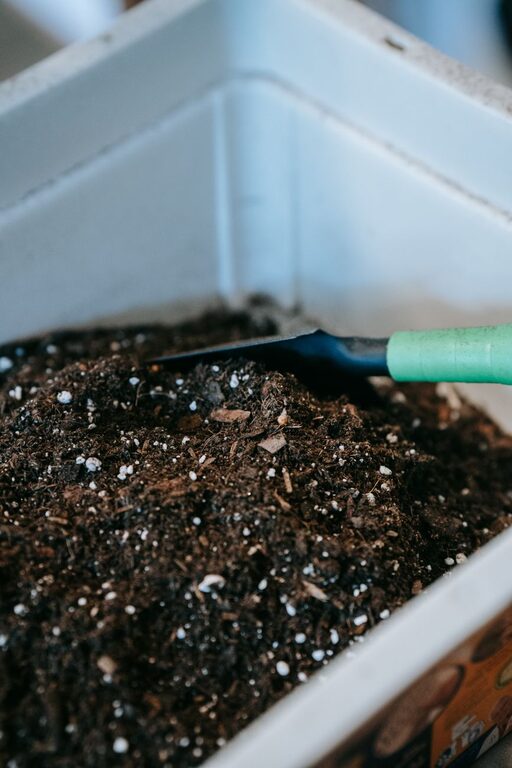
Depending on conditions like temperature, moisture, and how often you turn the pile, compost can take anywhere from a few weeks to several months to be ready. Finished compost looks dark, crumbly, and smells earthy.
Using Your Finished Compost
Once your compost is ready, use it to:
– Enrich garden beds and flower pots
– Mulch around trees and shrubs
– Improve lawn health by spreading a thin layer over grass
Troubleshooting Common Compost Issues
– Bad odors: Usually a sign of too much green material or lack of air. Add more brown materials and turn the pile.
– Pile is dry: Add water and some green materials to balance moisture.
– Pests: Avoid adding meat or oily foods, and keep the bin covered.
– Slow decomposition: Chop materials into smaller pieces and turn the pile more frequently.
Final Tips for Successful Home Composting
– Be patient and consistent with adding materials.
– Keep a small container in your kitchen to collect scraps for easy transfer.
– Experiment with different materials and techniques to find what works best for you.
– Use gloves when handling compost to stay clean and safe.
Composting at home is a rewarding practice that benefits your garden, reduces waste, and supports the environment. By following these beginner tips, you’ll be well on your way to creating nutrient-rich compost right in your backyard. Happy composting!